Best Easy Indoor Plants for Beginners (That Survive UK Homes)
New to houseplants and not sure where to begin? Our Best Houseplants UK: Choosing the Right Plant for Your Space hub covers the full selection process.
Most beginners think a “low‑maintenance” Monstera will thrive in a north‑facing flat, then stare at the crispy brown tips and wonder what went wrong. You’re not battling a bad thumb – you’re battling the British indoor environment: hard tap water, radiators that dry the air, and winter light that looks more like a dim hallway than a sunny garden. Here are the plants that actually laugh at those three killers, and the simple habits that keep them thriving without turning your living room into a full‑time nursery.
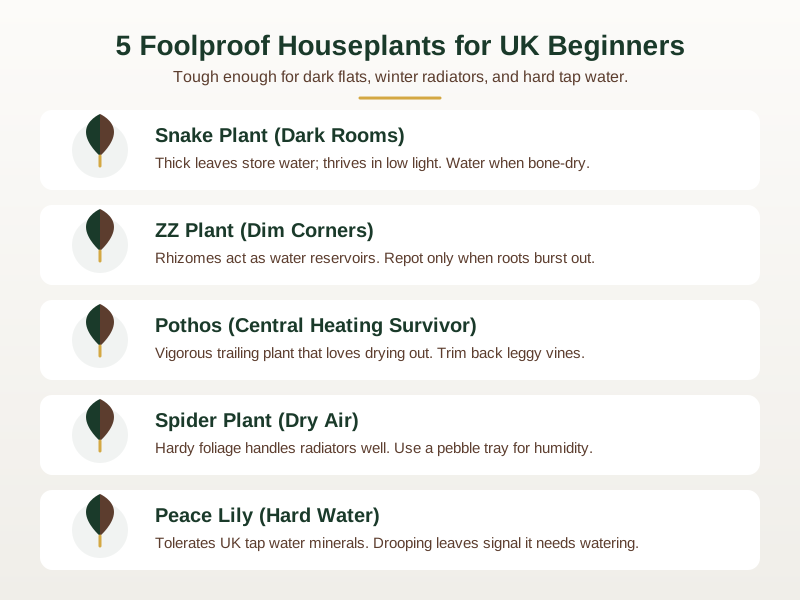
Quick reference: See the infographic below for a visual summary of the key points, or download the data table for full details.
What Are the Best Easy Indoor Plants for a UK Flat?
The best easy indoor plants for beginners in a UK flat are those that tolerate low light, dry air from central heating, and hard tap water. Top choices include the Snake Plant and ZZ Plant for dim rooms, Pothos and Spider Plant for dry, radiator-heated spaces, Aloe Vera for forgetful waterers, and the Peace Lily for hard‑water tolerance. These species store water in leaves or rhizomes, need minimal feeding, and won’t suffer if the light drops to winter levels. Pair them with a simple “touch test” watering routine, and you’ve got a collection that survives on neglect.
Different rooms in a typical UK flat present three main challenges – low light, dry air, and hard water. Below is a quick filter that matches each challenge to a plant that tolerates it spot on.
| UK Room Type | Plant (and why it works) | Quick care tip |
|---|---|---|
| Dark north‑facing flat | Snake Plant (Sansevieria) – its thick, succulent leaves store water and can photosynthesise in very low light. | Water only when the soil is bone‑dry; a finger test does the trick. |
| ZZ Plant (Zamioculcas zamiifolia) – rhizomes act as water reservoirs; tolerates dim corners and the occasional radiator blast. | Repot only when roots outgrow the pot; otherwise leave it be. | |
| Dry central‑heating room | Pothos (Epipremnum aureum) – vigorous runner that loves to dry out between drinks and tolerates the dry air of radiators. | Trim any leggy vines and let the soil dry a touch before the next top‑up. |
| Spider Plant (Chlorophytum comosum) – tolerates low humidity; its foliage is hardy enough for a radiator‑heated lounge. | Use a saucer of pebbles and water for occasional humidity boost. | |
| “Many forget to water” zone | Aloe Vera – a true succulent that stores months of water in its fleshy leaves. | Give a deep drink in summer, then nothing for a while. |
| Echeveria (rosette succulent) – similar drought‑tolerance; looks pretty on a windowsill. | Water sparingly; a few drops in winter is enough. | |
| Hard‑water zone | Peace Lily (Spathiphyllum) – surprisingly tolerant of the calcium and magnesium in most UK tap water. | Look for drooping leaves as the water‑need signal. |
| Pothos – again, because it can handle the mineral build‑up that would choke a Calathea. | Flush the soil with rainwater once a year if you can. |
Most “easy” houseplants die in the UK because they either demand high humidity (think ferns) or need soft water (many tropicals). The species above are either succulent‑based or have evolved to cope with mineral‑rich water, making them the real workhorses for flat living.
If you’ve ever wondered whether “bright indirect light” actually means “any light at all” in a British winter, you’re not alone. A north-facing sill in December can receive a fraction of what a south-facing window offers – many plants simply can’t get the photons they’re promised in standard care guides. The plants listed above have been proven to stay green even when light levels drop that low.
The “Unkillable” Plant Profiles
Below are the four plants that have earned a reputation for surviving the British indoor gauntlet. This guide will explain why they’re unkillable, the UK‑specific quirks you need to know, and the single mistake that trips most beginners up.
📺 Watch: 10 houseplants that THRIVE in low light 🌿 I purposely grow these in darker areas! — wildfern
Snake Plant (Sansevieria)
Why it’s unkillable – Its leaves are essentially water‑filled cylinders, so the plant can go weeks without a drink. It also performs a type of photosynthesis that works in low light.
UK‑specific care – Hard water isn’t a problem; the plant’s leaves shrug off calcium deposits. It tolerates temperatures down to 10°C, so chilly radiators in winter won’t shock it.
Common mistake to avoid – Overwatering. Many learn this the hard way when giving a first Snake Plant a weekly soak because the soil felt a bit damp. Within a month the roots turned black and the leaves started to yellow. You only need to water when the top 2‑3cm of soil feels completely dry to the touch.
ZZ Plant (Zamioculcas zamiifolia)
Why it’s unkillable – ZZ stores water in thick rhizomes underground, letting it survive months of neglect. Its glossy leaves also hide any minor leaf scorch from a radiator.
UK‑specific care – It thrives in the low‑light corners of a north‑facing flat and tolerates the mineral build‑up from hard tap water. It prefers temperatures between 12°C and 24°C – perfect for a cosy living room with the heating on.
Common mistake to avoid – Repotting too often. Repotting a ZZ every six months because fresh soil seems like it should mean a happy plant is a common trap. In reality, the rhizomes get disturbed and the plant goes into shock, dropping leaves. Stick to repotting only when the plant is clearly pot‑bound (roots circling the pot).
Pothos (Epipremnum aureum)
Why it’s unkillable – It’s a prolific grower that can root in water, in soil, or even in a damp tea towel. Its vines can bounce back from a dry spell that would kill a fern.
UK‑specific care – Tolerates hard water just fine – UK water suppliers means high calcium, which actually helps the stems stay sturdy. It does well in low‑light spots, making it ideal for a hallway with a north‑facing window.
Common mistake to avoid – Letting it dry out completely. Leaving a Pothos on a windowsill during a two-week holiday, assuming it’ll be fine, often means coming back to limp vines and brown leaf edges. The plant can survive a dry spell, but it needs at least a light mist or a quick dip in water every fortnight to stay perky.
Peace Lily (Spathiphyllum)
Why it’s unkillable – It signals its water needs with graceful drooping leaves, so you can spot a problem before it’s fatal. Its leaves also absorb some of the excess minerals in hard water, reducing leaf tip burn.
UK‑specific care – It loves the humidity that a bathroom or kitchen window provides, but it’s equally happy on a bedroom sill with a radiator if you give it a weekly mist. It tolerates the low light of a north‑facing room, though it will flower more in brighter spots.
Common mistake to avoid – Ignoring the droop. A first Peace Lily can go from glossy green to a sad wilt when drooping leaves get mistaken for “just a little tired”. A quick soak in lukewarm tap water (hard water is fine) revived it within a few days. If the leaves stay limp for more than 48 hours, give it a thorough watering and check the soil drains.
How to Keep Your “Unkillable” Plants Alive
You’ve picked the right plants – now let’s make sure they stay alive without turning your life into a watering‑schedule nightmare.
📺 Watch: Winter care for houseplants — RHS - Royal Horticultural Society
The “Touch Test” Watering Rule
Over‑watering is the number‑one cause of houseplant death in the UK. Instead of a calendar, stick your finger into the soil about 2cm deep. If it feels dry, water until you see a little runoff from the drainage holes. If it’s still moist, wait another few days. This simple test removes the faff of guessing and stops you from turning a well‑draining pot into a swamp.
Lighting Reality Checks
Guides often use the term “bright indirect”. In a British flat, that usually means a south‑facing window that isn’t blocked by a neighbour’s curtains. A north‑facing sill in winter receives a fraction of the daylight a south‑facing one does. For the plants on our list, that’s fine – they’re built to cope. If you’re unsure, place your hand a foot from the plant; if you can read a newspaper comfortably, the light is adequate.
Humidity Hacks (No Humidifier Required)
Most of the “unkillable” plants are fine with the dry air that radiators produce, but a little extra moisture never hurts.
- Pebble tray: Fill a shallow tray with pebbles, add water just enough to wet the stones, and set the pot on top. The evaporating water raises local humidity.
- Group planting: Cluster a few pots together; the collective transpiration creates a micro‑climate.
- Bathroom boost: If you have a bathroom window, move a Spider Plant or Peace Lily there. The steam from a quick shower is the only humidity most UK flats get in winter.
How to Set Up Your New Houseplant
- Match the plant to the room. Choose your species based on whether the space is dark, dry, or a hard-water zone. Don’t fight the environment.
- Check the drainage. Ensure your pot has a drainage hole at the bottom. If it’s a decorative pot with no hole, keep the plant in its plastic nursery pot and use the decorative one as an outer sleeve.
- Do the touch test. Before you give it that first drink, check the top 2cm of soil. If it’s damp from the garden centre, leave it alone.
- Create a micro-climate. Add a pebble tray or group a few plants together to help them cope with the dry air from central heating.
- Watch the leaves. Keep an eye on leaf colour and posture for early warning signs of thirst or overwatering.
Before You Buy
You now have a shortlist of plants that thrive on neglect, tolerate the hard water from your tap, and survive the dry, radiator‑heated rooms that most flats provide. Pick the one that matches the quirkiest part of your flat – a ZZ for that dark hallway, an Aloe for the forgetful zone, or a Peace Lily for the bathroom where the steam does the work for you.
The next step isn’t buying more pots; it’s giving yourself the confidence to keep what you already have alive. If you want to see what else we’ve managed to kill and revive, have a browse through the blog, or read a bit more about us.
If you’ve followed the steps above and still feel unsure about a plant that’s looking a bit off, grab our Free Houseplant Troubleshooting Checklist – it’s a quick, printable guide that helps you spot the early signs of over‑watering, low humidity, and light stress before your plant goes to pot.
Remember, most houseplant drama in the UK boils down to two things: water and light. Master the simple touch test and understand what “low light” really means in a north‑facing flat, and you’ll find that even a beginner can build a thriving indoor jungle.
Don’t be afraid to give those unkillable mates a go – they’re worth the investment. Start with one Snake Plant. If it’s still alive in six weeks, you’ve got the knack. You can always get in touch if you get completely stuck!
Related Guides
For a complete overview, see our Best Houseplants UK: Choosing the Right Plant for Your Space.
- Royal Horticultural Society - Understanding Microclimates
- UK Water Advice - Water and Health
- Royal Botanic Gardens, Kew - Houseplant Care
Note: General guidance only, verify details with a qualified professional or official source.
If you are dealing with related issues, see our guide to Best Indoor Plants for Low Light in UK Winters.