How Often to Water Basil and Parsley (UK Guide)
This page contains affiliate links. As an Amazon Associate we earn from qualifying purchases — this does not affect the price you pay.
Basil soil should feel dry about 2.5 cm down before you water it. For parsley, wait until the top 1 cm of compost is dry. These two measurements—and the gap between them—explain most indoor herb deaths in UK kitchens. Watering both plants on the same schedule is the most common mistake, but the solution is simpler than you think.
Understanding the UK Indoor Environment
Basil and parsley look small and innocent on your windowsill, but they’re demanding houseguests.
Basil is a tropical annual. It evolved in hot, humid conditions where the soil stays consistently moist. The RHS confirms that basil needs warm conditions and protection from cold draughts, making a typical UK flat far from its natural habitat.
Parsley is hardier—it’s a biennial treated as an annual for kitchen use. But “hardier” doesn’t mean “leave it alone.” It still needs regular moisture to produce the leaf growth you want to harvest. The difference is it forgives the odd missed watering better than basil does.
Both herbs hate wet feet. They want damp soil, not a waterlogged pot. In a flat with poor drainage, root rot can set in fast. That’s why the watering question isn’t “how much”—it’s “how often based on what’s actually happening in that pot right now.”
The Finger Test: Your Essential Tool
The finger test is the only rule you need. Stick your index finger into the compost. For basil, check about 2.5 cm deep; for parsley, about 1 cm deep. If it feels dry at the relevant depth, water. If it’s still damp, leave it alone. No schedule, no guessing.
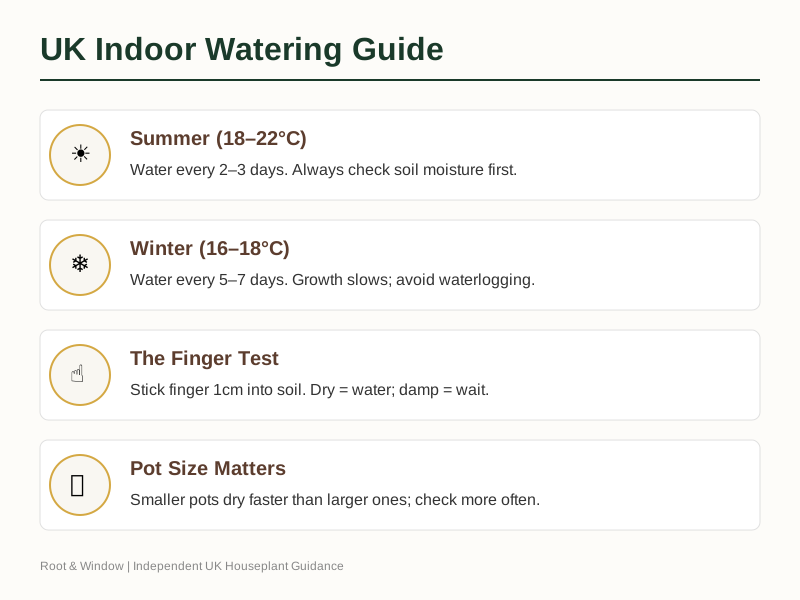
Because you’re growing in a UK home and not a Mediterranean garden, the intervals this rule produces change with the seasons. In warmer summer conditions, a typical 12 cm supermarket pot might need water every few days. During cooler winter months, that interval can stretch to nearly a week.
The reason is evaporation rate. Warm air holds more moisture and draws it from the soil faster. A south-facing kitchen window in July creates different conditions from the same windowsill in January. The compost in your pot doesn’t know what month it is—but your finger will tell you what it needs right now.
Pot size matters too. Those small 12 cm pots from the supermarket dry out faster than a larger container would. If you’ve repotted into something bigger, check more often and adjust accordingly.
Watering guidance for 12 cm pots:
- Summer: Check every few days (dry 2.5 cm for basil, 1 cm for parsley = water)
- Winter: Check weekly (dry 2.5 cm for basil, 1 cm for parsley = water)
- Always check first: damp compost means wait
Now you know what to look for—Download the Free Houseplant Troubleshooting Checklist to help you spot other issues before they kill your plants.
Basil vs. Parsley: Handling the Difference
If you’re growing both, treat them differently. Basil needs deeper drying between waterings but wilts dramatically when thirsty, bouncing back fast if you water it immediately. Skip a watering and you’ll know about it quickly.
Parsley tolerates slightly drier conditions for short periods without showing dramatic wilting. Consistent moisture still produces the best leaf growth, but if you forget for a day or two, parsley won’t punish you the way basil does.
The harvest method matters too. Take only one or two stems from a parsley plant at a time, cutting from the outside in. The plant keeps growing and producing. This is where parsley earns its space—done right, one pot can supply you for months. Basil, by contrast, is often a single-use crop from the supermarket. Once you’ve harvested most of it, it’s done. That’s not a failure on your part—that’s just how basil grows.
Avoiding Common Watering Errors
The biggest killer of indoor herbs isn’t underwatering. It’s overwatering.
Watering on a fixed schedule ignores everything that affects how fast soil dries: room temperature, pot size, sunlight exposure, and time of year. Check the soil, not the calendar.
Yellow leaves and a soggy pot are the warning signs of overwatering. If the compost stays wet for days after watering, you’ve got a drainage problem or you’re watering too often. Root rot sets in quickly and it’s hard to reverse. Lift the pot—if it feels heavy and waterlogged, that’s your cue to let it dry out before the next watering.
Hard water is another consideration. For sensitive herbs like basil, letting tap water sit for about 24 hours before using allows chlorine to evaporate. It’s not essential for parsley, which is more tolerant, but it can help basil perform better.
Many popular indoor herbs—rosemary, thyme, sage—come from Mediterranean climates and actually prefer poor, well-drained soil and less water. If you’re applying the same watering approach to basil and rosemary because they’re all “herbs,” you’ll kill at least one of them. Basil and parsley are thirsty plants. They want more water, not less—just not sitting in it.
Answering Your Watering Questions
Can I use tap water for my herbs?
Yes, but letting it sit for about 24 hours in a jug before watering allows chlorine to evaporate and brings the temperature to room temperature, which matters for basil in particular.
Why is my basil turning black?
Blackening leaves on basil usually mean overwatering or cold exposure. Check the pot isn’t sitting in water, move it away from any draught, and make sure the water you’re using isn’t icy.
How often should I water parsley seeds?
Keep the compost moist but not waterlogged until germination, which typically takes 3–4 weeks according to gardening sources like Johnny’s Selected Seeds. Once seedlings appear, transition to the finger test routine.
Practical Watering Reference
| Season | Basil Check Depth | Parsley Check Depth | Action |
|---|---|---|---|
| Summer | Dry 2.5 cm down | Dry 1 cm down | Water if dry |
| Winter | Dry 2.5 cm down | Dry 1 cm down | Water if dry |
| Always | Check depth first | Check depth first | Damp soil = wait |
Moving Forward with Confidence
The rule is simple: check the compost at the right depth for each herb. Dry 2.5 cm down for basil means water; dry 1 cm down for parsley means water. In summer that might mean checking every few days; in winter it stretches out.
Basil needs deeper drying between waterings than parsley but shows thirst more dramatically. Parsley is more patient—keep it watered regularly and it’ll keep producing harvest after harvest from the same plant.
The difference between dead herbs and thriving ones isn’t a green thumb. It’s knowing what to look for before it’s too late.
Remember that these drying depths shift slightly in winter due to reduced evaporation—both herbs can go a bit longer between waterings in cooler conditions. For the full seasonal care calendar that these watering rules fit into, see our Growing Herbs Indoors UK: Complete Windowsill Care Guide.
If you’re ready to apply this thinking to your other houseplants, Download the Free Houseplant Troubleshooting Checklist. It’s the tool I wish I’d had when I started growing herbs on my own kitchen windowsill.
Questions about your specific setup? Get in touch—I read every one.
The honest next buy, if you need one, is the Grow Chem Perlite 10 L (paid link) — keeps basil and mint mix open so the rootball does not sit wet.
View Grow Chem Perlite 10 L on Amazon → (paid link)
Sources & Further Reading
Note: This guide provides general advice for UK indoor conditions. Always verify specific plant needs and local environmental factors.