Why Is My Rosemary Dying?
This page contains affiliate links. As an Amazon Associate we earn from qualifying purchases — this does not affect the price you pay.
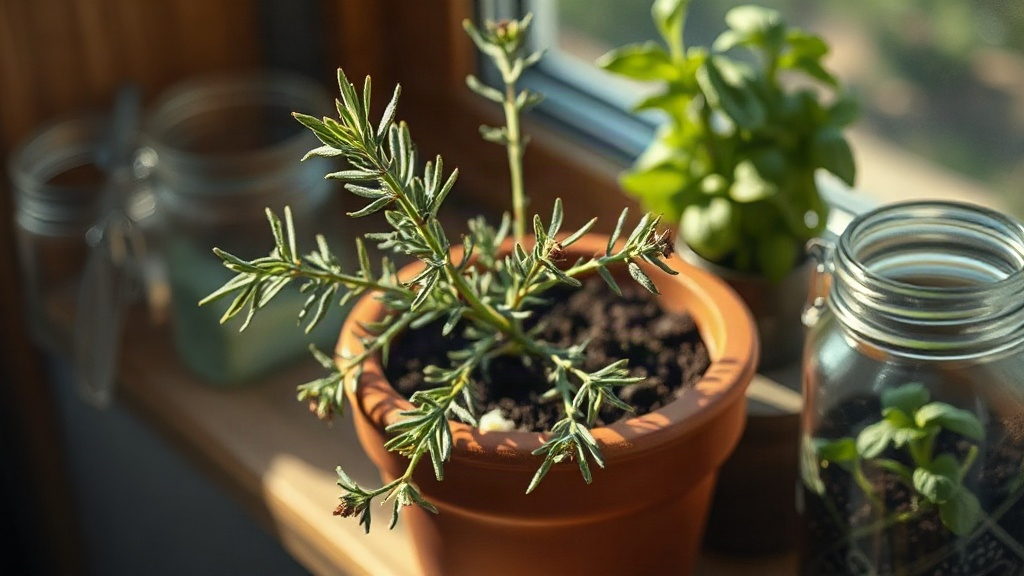
That rosemary on your windowsill shows all the classic signs of drought—browning tips and dropping needles. But the soil beneath feels cold and damp. This is the cruel trick rosemary plays: it displays thirst symptoms when its roots are actually drowning. The instinct to water it more or give it extra sun only speeds up the decline. The key is a simple soil test to tell the difference, then a permanent fix that changes the environment, not just your watering habits.
The Mediterranean Reality
Rosemary evolved on the rocky, free-draining slopes of the Mediterranean. Its roots are adapted to seek out moisture quickly then dry out completely between rains. This isn’t a plant that tolerates neglect—it actively requires conditions that would kill many other houseplants.
When you bring rosemary into a typical UK home, you’re placing it in an environment fundamentally at odds with its nature. Central heating creates dry air but does little to dry out dense, moisture-retentive compost. Low winter light reduces the plant’s water usage to a crawl. The result is a root system sitting in damp conditions for days longer than it can tolerate.
Think of it like a cactus: in a gritty, free-draining mix it thrives with minimal care. In standard potting compost, it rots. Rosemary follows the same pattern, just on a slower timeline.
Why Compost Is The Problem
Standard potting compost is engineered to retain water, which is perfect for most plants but disastrous for rosemary. Indoors, where evaporation is slow, this moisture-retentive quality becomes a liability. The roots, which need oxygen to function, effectively suffocate in waterlogged soil. The plant then shows symptoms identical to drought—browning, needle drop—because the damaged roots can no longer uptake water properly.
The Royal Horticultural Society advises improving drainage for container-grown rosemary. While specific ratios can vary, the principle is clear: rosemary needs a much grittier, faster-draining medium than standard compost provides.
Simply watering less isn’t the solution. The problem is structural—the compost itself holds too much moisture for too long.
Creating The Right Soil Mix
Adding Vitax Horticultural Potting Grit (paid link) (lime-free potting grit, not builder’s gravel) transforms the soil environment. It creates permanent air pockets that allow water to drain through quickly and oxygen to reach the roots. A mix of roughly one part grit to three parts compost provides the free-draining conditions rosemary requires.
Check Vitax Horticultural Potting Grit price → (paid link)
If your plant is already struggling, carefully remove it from its pot and gently shake away the wet compost from the roots. Repot it in the new gritty mix. While the plant may show some shock from the disturbance, it stands a much better chance in soil that drains properly.
For a new rosemary, mix the grit in from the start. The improvement is permanent, as grit doesn’t break down over time. A bag of Vitax from Amazon or a garden centre is a small spend that makes the difference between a plant that survives and one that thrives.
Download the Free Houseplant Troubleshooting Checklist to systematically diagnose common issues with your indoor plants, including how to identify root problems early.
Light, Temperature and Pests
While soil is the primary concern, rosemary still needs adequate light—a south-facing windowsill is ideal. East or west-facing can work, but north-facing windows often provide insufficient light, especially in winter. Poor light exacerbates moisture problems by slowing the plant’s water usage.
Avoid placing rosemary in draughty spots or directly above radiators, as extreme temperature fluctuations stress the plant. Dry air from central heating can also encourage spider mites; occasional misting or a gentle rinse can help prevent infestations.
Key positioning tips:
- Choose the sunniest windowsill available
- Keep away from cold draughts and direct heat sources
- Ensure consistent temperatures without extreme drops
Common Questions Answered
Is my rosemary beyond saving?
Check the stems. If they’re still flexible and show green inside when scratched, there’s hope. Trim away dead growth, repot into a gritty mix, and be patient. If stems are brittle and brown throughout, the plant has likely died.
What type of grit should I use?
Horticultural grit is ideal — the Vitax bag above is lime-free potting grit, not decorative gravel. Perlite is a lighter alternative that provides aeration, though it may rise to the surface over time. Avoid heavy gravel or decorative stones that don’t create the same soil structure.
How will watering change?
The gritty mix dries out faster, so watering frequency will increase in summer—possibly every few days on a warm windowsill. In winter, watering once a week or less may suffice. Always water thoroughly, then allow the soil to dry out before watering again.
Comparing Soil Options
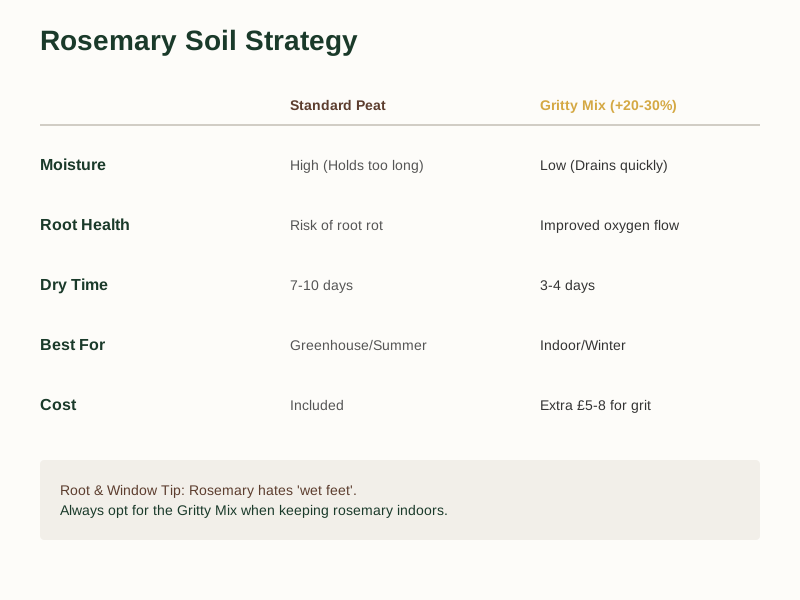
| Feature | Standard Compost | Gritty Mix |
|---|---|---|
| Moisture Retention | High | Low |
| Root Health | Risk of rot | Improved aeration |
| Best For | Most plants | Mediterranean herbs |
| Added Cost | None | £5-8 for grit |
The Recovery Process
The real test begins after repotting. For the next four weeks, resist the urge to intervene. Don’t fertilise, don’t move the plant, don’t adjust your watering schedule based on day-to-day appearances. Rosemary shows recovery at the growing tips first—any new growth is a positive sign. Intervening too soon, before the plant has had time to establish in its new environment, can restart the damage cycle.
This recovery discipline is often harder than the physical repotting. You’ve fixed the soil; now you need to trust the process and let the plant respond at its own pace.
If you’re dealing with multiple struggling plants, having a systematic approach helps enormously. The free checklist below walks you through the most common houseplant problems and their solutions.
Grab the Free Houseplant Troubleshooting Checklist for a clear diagnostic process that starts with soil assessment.
Further Reading
For comprehensive guidance on reviving indoor herbs, visit Indoor Herb Rescue UK: Diagnose and Save Dying Windowsill Herbs.
References
- Royal Horticultural Society: Container gardening advice
- Houseplant Hub: Soil composition guides
- Gardeners World: Mediterranean herb care
This article provides general guidance only; for specific advice consult a qualified horticulturist.