Why Is My Parsley Not Growing? (The Cold Windowsill Trap)
This page contains affiliate links. As an Amazon Associate we earn from qualifying purchases — this does not affect the price you pay.
Parsley seeds need soil temperatures consistently above 20°C to germinate properly. From October through April, many UK windowsills hover around 10-15°C—too cold for the seeds to start. You can check your own sill by placing a thermometer on it overnight or simply feeling how cold the pot feels to the touch.
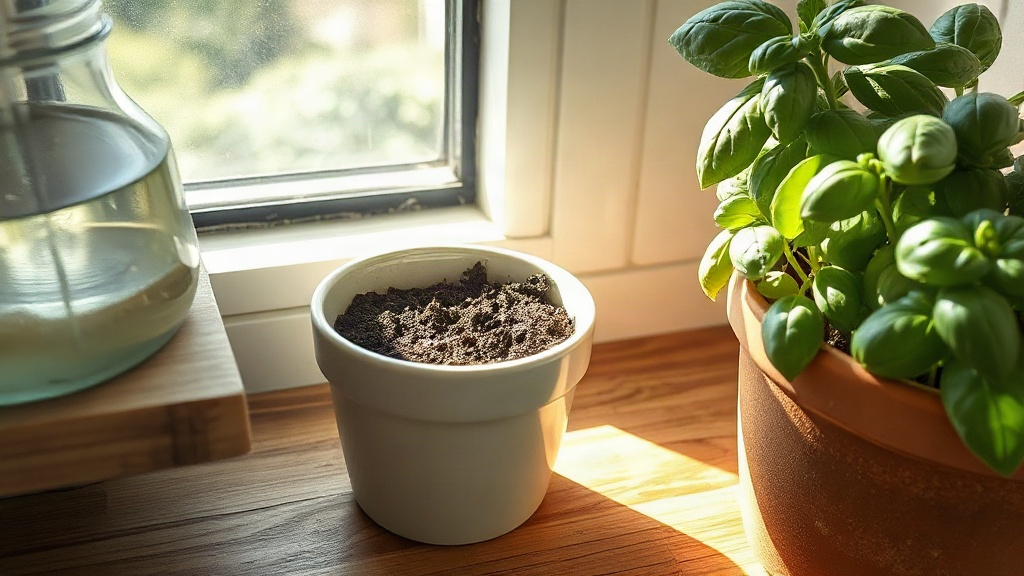
That empty pot after three weeks of waiting isn’t a failure of your gardening skills. The seeds are likely sitting in compost that’s too cold to trigger germination.
Parsley’s natural pace is slower than other herbs. According to the UC Marin Master Gardeners, parsley germination can take two to four weeks, and the Royal Horticultural Society describes it as slow-growing. This extended timeline becomes a full stop when combined with a chilly windowsill.
Why Parsley Germination Stalls on UK Windowsills
Parsley (Petroselinum crispum) is a biennial herb typically grown as an annual in British kitchens, as noted by the RHS. This means it focuses energy on leaf production in its first year. The seeds have a built-in reluctance to sprout quickly—a trait that serves them well in nature but frustrates indoor growers.
If you’re accustomed to basil appearing within days, parsley’s hesitation feels abnormal. It isn’t. The seeds are waiting for conditions that match their evolutionary expectations.
Both curly and flat-leaf varieties face the same germination challenges. Your choice between them should rest on flavour and appearance, not expected speed.
The Temperature Gap That Halts Growth
Most indoor growing guides miss a critical factor: the actual temperature of your compost, not just the air in your room.
Thompson & Morgan indicates parsley germinates from 5–32°C with optimum around 27°C, while Johnny’s Seeds recommends 18–21°C for best results. When your windowsill sits at 10–15°C during spring, the compost in your pot—insulated by the pot walls from room warmth—remains too cool for reliable germination.
This explains why seeds either refuse to sprout or rot before they begin. The RHS acknowledges parsley’s erratic germination, which is largely temperature-dependent for indoor growers.
Try placing your hand against the side of the pot. If it feels noticeably cold, you’ve found the problem. Moving the pot just a few inches away from the glass, where room warmth penetrates better, can sometimes be enough.
A Practical Rescue Plan
Relocate to consistent warmth. Find a spot that stays reliably above 20°C—near a radiator (not directly on it), on top of a fridge, or in an airing cupboard for initial germination. Remove from the cupboard once sprouts appear.
Maintain balanced moisture. The compost should feel like a wrung-out sponge—damp but not saturated. Overwatering in cool conditions accelerates rot.
Accept the natural timeline. Even with ideal warmth, germination may still take two to four weeks. Don’t abandon the pot after one week.
Once growth begins, harvest by snipping individual stems rather than pulling whole plants. This encourages regrowth and extends your harvest window.
Choosing Between Curly and Flat-Leaf Parsley
Growing success doesn’t depend on which variety you choose. Both curly parsley (Petroselinum crispum) and flat-leaf parsley (Petroselinum crispum var. neapolitanum) germinate at similar rates and need the same warmth.
The distinction lies in their culinary use. Flat-leaf parsley offers a stronger flavour that stands up to cooking, while curly parsley is milder and more decorative. Your choice should reflect how you plan to use it:
- For Mediterranean cooking where parsley is a key ingredient → flat-leaf
- For garnishing finished dishes → curly
- For visual appeal on a windowsill → curly
Switching varieties won’t solve germination problems—fixing the temperature will.
Common Parsley Growing Questions
What’s the typical timeline for growing parsley from seed?
Parsley seeds typically take two to four weeks to germinate under good conditions. After sprouting, plants need several more weeks to reach harvestable size. This longer timeline compared to other herbs requires patience. Purchasing young plants from a garden centre provides a quicker start, though growing from seed is more economical.
Can I grow parsley indoors during winter?
Yes, but you must provide adequate warmth. A winter windowsill in an unheated room will be too cold. A consistently warm kitchen spot away from cold glass, combined with a south-facing window for light, usually works. The RHS notes parsley grows slowly in cool conditions, so warmth is essential.
Why are my parsley leaves developing brown edges?
Brown edges typically indicate watering issues—usually overwatering leading to root rot, which prevents proper water uptake. Check soil moisture before watering; the top should feel dry. In dry, centrally heated homes, underwatering can also cause browning. Pest damage is another possibility, but start by assessing your watering routine.
Beyond simply moving your pot to a warmer spot, two techniques can significantly accelerate germination: soaking seeds overnight in warm water before sowing, and using pre-warmed compost. Combined with adequate warmth, these steps can halve your waiting time.
Parsley’s slow start on cold windowsills catches out many UK growers. The fix lies in recognising that your indoor environment might not match the assumptions in standard growing guides. Once you provide consistent warmth, the seeds will follow their natural—albeit slow—course.
Note: General guidance only, verify details with a qualified professional or official source.
#The honest next buy, if you need one, is the Garpsen clip-on grow light (paid link) — a clip-on for a dark UK sill — not a greenhouse substitute, just extra winter light.
View Garpsen clip-on grow light on Amazon → (paid link)
Related Guides
For a complete overview, see our Indoor Herb Rescue UK: Diagnose and Save Dying Windowsill Herbs.