How to Keep Mint Alive Indoors (Without Killing It)
This page contains affiliate links. As an Amazon Associate we earn from qualifying purchases — this does not affect the price you pay.
Mint’s aggressive reputation in the garden comes from its underground rhizome system—a network of horizontal runners that relentlessly colonise new soil. This same biological mechanism that makes it invasive outdoors is precisely why it struggles in a small container. The rhizomes, designed to spread through open ground, become trapped, circling back on themselves to create a dense root mass that starves the plant from below.
The problem isn’t neglect; it’s confinement. You see leaves yellowing and assume thirst, watering more while the hidden root ball becomes waterlogged. The runners keep searching for space that isn’t there, and the plant quietly succumbs.
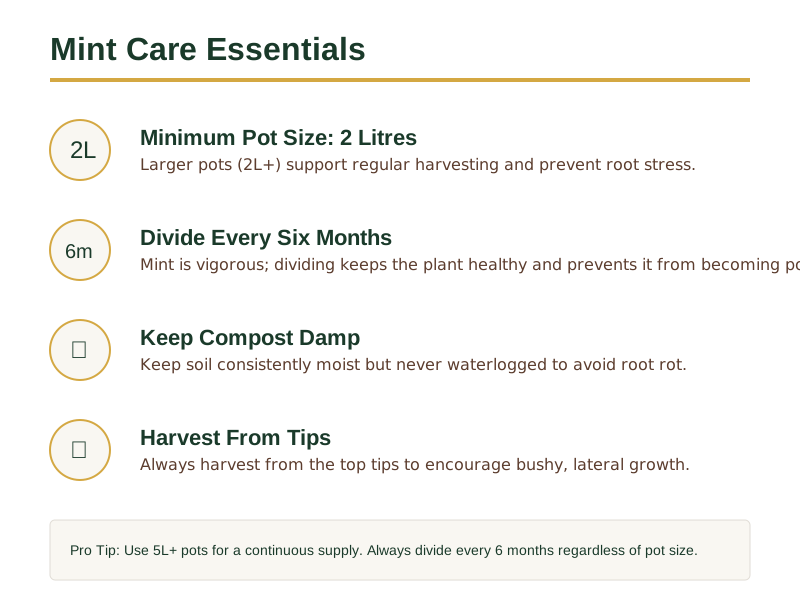
The solution lies in accommodating this growth habit. Mint needs a container with sufficient volume—typically a pot at least 30 cm (12 inches) in diameter—and division every few years in spring or autumn to prevent the roots from choking themselves.
If your mint is already looking sorry for itself, grab our Free Houseplant Troubleshooting Checklist before you do anything—it will help you confirm whether root congestion is the issue or if something else is going on.
Understanding Mint’s Container Struggle
As a perennial herb, mint can grow year-round indoors, which creates the illusion that it should be easy to maintain. The challenge is that its root system operates on an assumption of unlimited lateral space. When confined, the rhizomes hit the pot’s edge and circle back, competing with themselves for resources. What appears to be a half-full pot of compost is often a solid mass of roots, leading to poor drainage and localised rot while other sections of the root ball starve.
This explains why a mint plant that thrived in summer often collapses in winter. Central heating dries the compost surface quickly, prompting watering, while the lower root ball remains saturated from autumn rains. In a typical British home, the top and bottom of a small pot can experience completely different moisture conditions within hours. The plant shows stress, you respond to the dry surface, and the hidden problem intensifies.
The common misconception that mint is simply a thirsty plant leads to a cycle of overwatering and temporary repotting. This might extend the plant’s life for a few weeks, but without physically dividing the root ball to reset the root-to-soil ratio, the congestion inevitably returns.
Resetting the Balance: Pot Size and Division
Effective mint care involves providing adequate space and periodic division. The Royal Horticultural Society recommends dividing established mint clumps every few years in spring or autumn, while container guidance typically suggests pots around 30-35 cm (12-14 inches) in diameter.
The logic behind division. Dividing mint resets the relationship between root mass and compost volume. Each new section has fewer roots competing for nutrients and water in fresh soil, resulting in improved drainage and room for healthy rhizome growth. The plant responds with vigorous new foliage instead of a gradual decline.
Recognising when it’s needed. Look for signs like slowed growth despite good light and warmth, a pot that feels unusually heavy due to water retention, roots emerging from drainage holes, or the centre of the plant producing smaller, paler leaves. These indicate the root system has become congested.
The division process. Gently remove the plant from its pot and shake off excess compost to reveal the root ball. For less compacted plants, you can carefully pull sections apart by hand; for denser root masses, use a clean, sharp knife. Ensure each division has several growing points and a portion of the root system. Replant each section in fresh compost in appropriately sized containers, water thoroughly, and place in good light.
Consider a mint plant that fails in December despite apparent good care. If it had been in a small pot for many months, the root ball likely became an impenetrable block. Division several months earlier could have prevented this outcome.
Water, Light and Temperature for UK Homes
With the root issue managed, day-to-day care becomes more straightforward, though some British conditions require attention.
Temperature. Mint prefers moderate temperatures, which most UK kitchens provide. The main challenge comes from winter temperature swings between cold windowsills and warm radiators. This can create damp, cold compost at the pot’s edge while the centre dries out. Ensuring good drainage and placing a small spacer between pot and windowsill helps mitigate this.
Light. Mint grows well in full sun to partial shade. A south-facing window works in summer but may be too intense during heatwaves, potentially scorching leaves. East or west-facing windows often provide better year-round balance. North-facing locations may result in leggy growth as the plant stretches for light.
Water. Keep the compost consistently moist but not waterlogged. In a well-sized pot with divided plants, drainage is more reliable, reducing overwatering risk. During winter, check compost moisture regularly—central heating can dry the surface quickly, creating a misleading indicator of the root ball’s actual condition.
Regarding tap water, while mint isn’t particularly sensitive to hard water, a white crust on the compost surface indicates mineral buildup. Using filtered water or allowing tap water to stand can reduce this accumulation over time.
Harvesting Techniques for Healthy Plants
Regular harvesting benefits both the cook and the plant when done correctly. The key is to cut from the tips rather than stripping stems bare.
Taking the young shoot tips—the top two to four leaf pairs—encourages branching and creates a bushier plant. Removing all leaves from a single stem down to the soil stresses the plant and reduces its photosynthetic capacity.
Young leaves offer the best flavour for culinary use. Regular harvesting maintains a supply of tender leaves and prevents the plant from becoming leggy. It’s a mutually beneficial practice—you get better-tasting mint, and the plant maintains an attractive shape.
A recently divided and repotted plant can typically withstand light harvesting within a few weeks. With appropriate pot size and root management, you can harvest regularly without compromising the plant’s vigour.
Practical Container Guidance
For long-term success, choose a container that accommodates mint’s growth habit. A pot approximately 30-35 cm (12-14 inches) in diameter provides sufficient space for the root system to develop without becoming immediately congested. While smaller pots may sustain the plant temporarily, they require more frequent attention to prevent root binding.
The need for division depends on growth rate and container size rather than a fixed timetable. Monitor your plant for the congestion signs mentioned earlier, and plan to divide every few years as part of routine maintenance.
Common Mint Care Questions
Is a small windowsill pot sufficient for mint?
A small pot may keep mint alive temporarily, but without adequate space and occasional division, the plant will eventually become root-bound. Starting with a generous container (around 30 cm diameter) provides a better foundation for long-term health.
What causes browning mint leaves?
Browning typically results from root issues—either congestion in a too-small pot or rot from overwatering. Both conditions prevent roots from functioning properly, manifesting as yellowing and browning foliage. Division and fresh compost usually address the underlying problem.
How much light does indoor mint need?
Mint tolerates various light conditions but thrives in bright, indirect light. An east-facing windowsill often provides ideal conditions. If stems become elongated and pale, the plant needs more light, though it won’t immediately perish in dimmer spots.
Maintaining healthy mint indoors requires recognising its seasonal needs. In spring, focus on division and repotting if needed. Through summer, regular harvesting and monitoring water needs are key. As autumn approaches, reduce harvesting frequency to allow the plant to strengthen before winter. During the colder months, be especially mindful of the balance between radiator heat and cold windowsills. This seasonal rhythm ensures your mint thrives year-round, providing fresh leaves when you need them most.
For broader context on fitting mint into a multi-herb windowsill collection, our Growing Herbs Indoors UK: Complete Windowsill Care Guide offers comprehensive guidance.
If you’re unsure whether your current mint can be saved, work through the signs in our Free Houseplant Troubleshooting Checklist—it will help confirm the diagnosis and guide your next steps.
References
Note: General guidance only, verify details with a qualified professional or official source.
The honest next buy, if you need one, is the LE TAUCI ceramic set (paid link) — 11 + 13 + 17 cm pots with drainage — the jump a supermarket herb needs when you split the plug.
View LE TAUCI ceramic set on Amazon → (paid link)