How to Rescue Dying Windowsill Herbs (UK Winter Guide)
This page contains affiliate links. As an Amazon Associate we earn from qualifying purchases — this does not affect the price you pay.
A failing windowsill herb almost always suffers from one of three root causes: insufficient light, incorrect watering, or an unsuitable herb variety. Identifying which problem you’re facing is the single most important step—it dictates the entire rescue plan. Misdiagnosis, like treating a light-starved basil as if it’s thirsty, accelerates the decline. This guide helps you pinpoint the real issue using a simple triage framework built for UK homes.
Diagnosing the UK Problem
The environment inside a typical British flat during winter creates a specific set of challenges that generic plant advice often misses.
Light levels are the primary constraint. In the depth of a UK winter, daylight lasts roughly 7-8 hours. This light is also weaker, further reduced by double glazing and the angles of urban buildings. Plants like basil, which evolved for intense sun, simply can’t generate enough energy under these conditions. Their growth stalls, leaves pale, and they become susceptible to secondary issues.
Indoor humidity is the second major factor. While UK homes can feel damp, especially with heating systems running, the average relative humidity in a heated home during winter is typically between 40-60%. This means potting compost can stay moist for much longer than expected. The surface may appear dry while the root ball remains saturated, creating ideal conditions for root rot.
The most frequent killer of indoor herbs in the UK is this combination: overwatering driven by low light. The plant’s reduced metabolic rate in dim conditions means it uses less water. Adding more water on a summer schedule, or in response to superficial dryness, drowns the roots. It’s a classic pattern: a basil plant succumbs in November despite careful watering, because the compost in its dim spot never had a chance to dry out properly.
For more on assessing your specific situation, our indoor plant lighting guide offers a detailed breakdown.
The Immediate Rescue: Repotting and Watering Adjustment
When a herb is already distressed, simply changing your watering routine is rarely enough. The compost structure is likely compromised. Repotting into fresh, free-draining compost is the most effective first intervention.
Select a pot with adequate drainage holes. Terracotta is a good choice as it allows moisture to evaporate through the sides. A Green Thumbz 10 cm terracotta pack (paid link) (six pots with saucers) is the size that actually fits a UK windowsill. Place a piece of broken pot or a pebble over the hole to prevent compost washout.
See Green Thumbz 10 cm terracotta pack on Amazon → (paid link)
Fill with a peat-free mix that does not sit wet. Westland Houseplant Potting Mix (paid link) (4 L, peat-free) is the base.
See Westland Houseplant Potting Mix on Amazon → (paid link)
Open it with a handful of Grow Chem Perlite 10 L (paid link) (medium 2–5 mm) — that is the everyday rescue mix.
Buy Grow Chem Perlite 10 L on Amazon → (paid link)
For rosemary and thyme, swap the perlite for Vitax Horticultural Potting Grit (paid link) (lime-free) so the roots actually dry between waterings.
Check Vitax Horticultural Potting Grit price → (paid link)
Carefully remove the plant from its current pot. If the roots are tightly wound around the rootball, gently tease the outer roots apart. This encourages them to grow outwards into the new compost instead of continuing to circle. This simple act of root teasing can be the difference between continued decline and recovery.
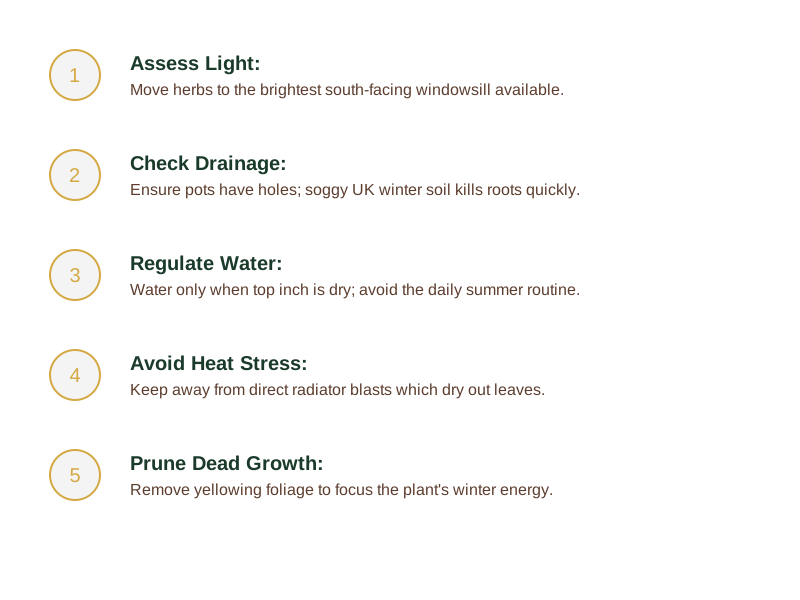
Water the repotted plant lightly until water just runs from the drainage holes, then wait. The goal is to keep the compost just moist. Test the moisture level by feeling the top inch of compost—water only when it feels dry. Depending on your home’s temperature and humidity, this might mean watering every 7 to 10 days in winter, rather than every few days. The compost should never be waterlogged nor bone dry.
If the original compost was the problem, our guide to saving a plant after bad soil covers the same rescue from the houseplant side.
Ready to audit your setup? Download the Free Houseplant Troubleshooting Checklist to systematically identify potential problems.
Addressing Light and Practical Constraints
Correcting the watering is crucial, but if light or physical space is the underlying issue, further action is needed. These are common limitations in UK homes.
Light availability diminishes significantly in winter. If your herbs are producing long, weak stems as they reach for the window (a sign of etiolation), they need more light. Moving them directly onto the windowsill is the first step. For a more substantial boost, a Garpsen clip-on grow light (paid link) (52 LEDs, full spectrum, clips onto a shelf or pot) used for a few hours each day can compensate for the seasonal lack of sun. A practical alternative is to adjust your expectations, accepting that most herbs enter a period of very slow growth during the darkest months.
See Garpsen clip-on grow light on Amazon → (paid link)
The physical layout of many UK windowsills also poses a problem. A heavy pot on a narrow ledge is unstable. A simple solution is to use adhesive hooks designed for picture frames. Fix them to the wall on either side of the window frame and rest the pot between them, creating a secure anchor that prevents tipping. This small adjustment allows you to position plants for optimal light without the constant risk of them falling.
For reliable year-round results, focus on herb varieties that are naturally resilient to cooler temperatures and lower light levels. Hardy choices for UK windowsills include rosemary, thyme, chives, sage, bay, and mint. These perennial or evergreen plants are better equipped to handle the variable conditions of a British home compared to tender annuals like basil. Herb needs vary significantly: rosemary and thyme, for example, are evergreen and need bright, direct light, while you should let the top third of their compost dry out between waterings in winter. Mint and chives are perennials that go dormant and prefer moderate light, with compost kept slightly moist. Tender annuals like basil and coriander need very bright, direct light and consistently moist compost, making them challenging to keep alive in winter.
Discover which specific varieties work best in our Growing Herbs Indoors UK windowsill guide.
An Alternative Use for Struggling Plants
Even with the best care, some plants don’t survive. Instead of discarding them immediately, consider a final, sensory use.
Drying the leaves from herbs like rosemary or sage and gently warming them in an oil burner or a bowl over a radiator can release their fragrance into your home. It’s a way to gain a last bit of value from the plant and can feel like a constructive close to the growing cycle.
A Practical Survival Reference
Common Queries Answered
Why are my herbs dying in winter?
The primary reason is reduced light, which slows growth and means plants use less water. Watering on a summer schedule, or in response to surface dryness, often leads to waterlogged compost and root rot in the low-light, higher-humidity environment of a UK winter home.
Can I grow herbs indoors in the UK successfully?
Absolutely. Success hinges on selecting appropriate varieties. Hardy, evergreen herbs like rosemary, thyme, and sage are far more adaptable to the conditions of a UK windowsill than sun-loving annuals such as basil. Supplementing with a grow light can help bridge the winter gap.
Is there a set watering schedule for indoor herbs?
No. The frequency depends on pot size, compost, room temperature, and light levels. The most reliable method is the finger test: water only when the top inch of compost feels dry. In a typical heated UK flat during winter, this often translates to watering approximately once a week.
The most critical rule for rescuing a struggling herb is to change only one variable at a time and wait at least a week to observe the plant’s response. Altering the light, water, and pot all at once makes it impossible to know what actually helped or hindered. This disciplined, diagnostic approach is the surest path to recovery. For detailed, herb-specific rescue parameters, our individual plant guides provide the next level of detail.
Explore More Topics
Go deeper on specific topics:
- Why Is My Basil Plant Dying?
- Why Is My Basil Turning Yellow?
- Why Is My Rosemary Dying?
- Why Is My Mint Plant Dying?
- Why Is My Mint Plant So Leggy?
- Why Is My Coriander Not Growing?
- Why Is My Coriander Flowering?
- Why Is My Thyme Dying?
- Why Is My Parsley Turning Yellow?
- Why Is My Parsley Not Growing?
Sources & Further Reading
Note: General guidance only. Always verify specific plant care requirements and local climate conditions with a qualified professional or official source.