Can You Grow Herbs in Shade? (UK Windowsill Guide)
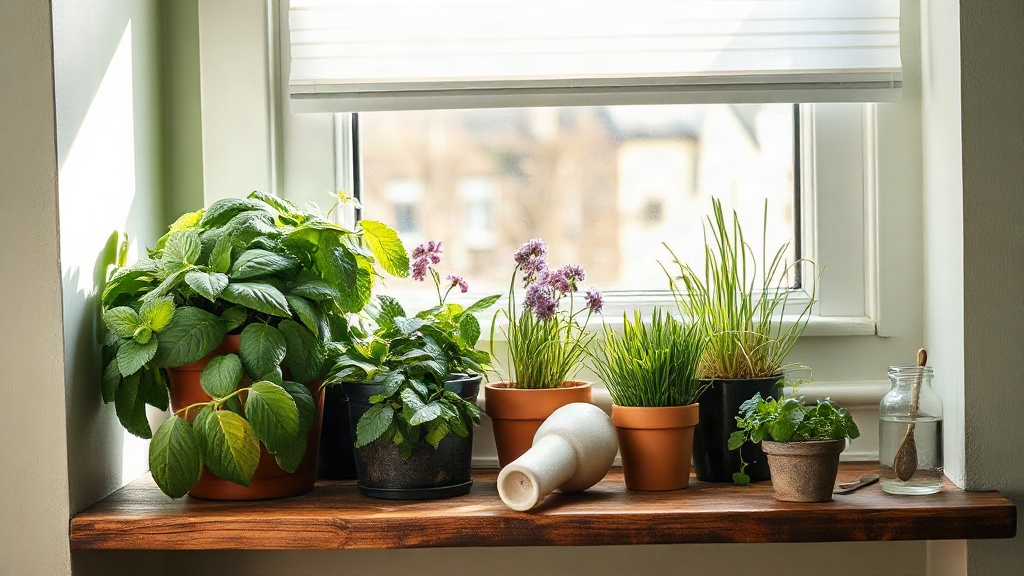
This page contains affiliate links. As an Amazon Associate we earn from qualifying purchases — this does not affect the price you pay.
Yes, you can grow herbs in shade—mint, chives, chervil, parsley, coriander, and dill will all succeed. Basil, rosemary, thyme, and oregano will almost certainly fail. The distinction exists because the successful herbs evolved in damp, shaded woodland edges, while the failures need the intense sun of Mediterranean hillsides. This isn’t about preference; it’s about biology.
If you’ve got a windowsill that doesn’t see much sun, you don’t need generic herb advice written for someone with a south-facing conservatory. You need to know which herbs actually tolerate low light, and the one critical thing that trips most flat-dwellers up when growing herbs in shade.
Here’s what actually works in a British home.
Understanding Shade and the UK Moisture Trap
First, let’s be clear. “Shade” for a windowsill plant doesn’t mean darkness—it means receiving little direct sun. While many herbs are labelled ‘full sun’, a practical rule of thumb for success in a UK home is choosing those that can manage with less.
The real challenge in a British flat isn’t just low light; it’s the interaction between shade and central heating. Heating dries the air, making the top layer of soil look parched. But shade dramatically slows evaporation from the deeper root zone. The result is a deceptive moisture trap: you water because the surface looks dry, but the roots below are already damp. This quiet waterlogging is why many shade-grown herbs die from root rot while their leaves still appear fine.
Ironically, UK shade offers one genuine advantage. In summer, strong midday sun can force herbs like coriander to ‘bolt’—flower and set seed prematurely. A bit of shade softens this intensity, extending the harvest window for leafy growth. So shade isn’t uniformly bad; it’s simply wrong for the wrong herbs.
If your room has no natural light at all, this article isn’t for you. But if you have a north-facing window or a shaded corner that gets a sliver of morning or evening sun, you have good options.
Herbs That Thrive in Shade
Your best, most reliable choices for a low-light windowsill are mint, chives, and chervil. Parsley is a dependable performer. Coriander and dill are worth trying with some extra attention.
Mint is the ultimate shade survivor. It naturally grows in damp, shaded woodland margins, making it perfectly suited to a British flat. It handles lower light, prefers its soil to stay moist (matching a shady spot’s slower drying), and produces plenty of leaves for tea and cooking. The one non-negotiable: keep mint in its own pot. It spreads aggressively and will overwhelm any neighbours.
Chives are a perennial that genuinely earns its place. They tolerate partial shade well, produce edible leaves from spring to autumn, and are impressively low-maintenance. Sow them once and harvest for years. As woodland-edge plants, they’re built for the conditions a north-facing UK windowsill replicates.
Chervil is often overlooked, which is a shame. This delicate annual has a mild anise flavour perfect for salads and soups. It genuinely prefers cool, partially shaded conditions—full summer sun makes it bolt quickly. In a shaded spot, it hangs around longer, producing more leaves. The RHS lists it as a solid choice for shade growing.
Parsley—flat-leaf is best—is the reliable gap-filler. It tolerates shade, thrives in moist conditions, and provides a steady supply of usable leaves. It’s not the most exciting herb, but for a small flat it’s dependable and useful.
Coriander and dill are viable but come with caveats. Both are annuals prone to bolting. Coriander, in particular, is fast-growing and will run to seed if too warm. Shade actually helps by keeping it cooler, extending the leafy harvest. Sow in spring, keep the soil moist, and treat as a cut-and-come-again crop. They won’t be as bushy as in full sun, but you’ll get a worthwhile harvest.
The common thread? These are either woodland-edge plants or moisture lovers, biologically adapted to less direct sun.
Herbs to Avoid on a Shaded Windowsill
Save yourself money and frustration. The herbs most commonly sold in supermarkets are the ones that will genuinely struggle without ample light.
Basil needs full sun to thrive—at least six hours of direct light is ideal. In shade, it grows leggy and weak, its leaves lose flavour, and it often succumbs to rot. The blackening on supermarket basil isn’t a watering issue; it’s a light deficit. Even the best potting mix behind a north-facing window won’t compensate.
Rosemary and thyme are Mediterranean plants. They demand free-draining soil, full sun, and dry air. In a shady, moisture-retentive UK flat—especially over winter with heating cycles—they are prone to root rot and grey mould. A common pattern sees rosemary bought in summer looking healthy, only to become a brown, crispy mess by February. The combination of shade and damp UK soil is hostile to them.
Oregano and marjoram face similar struggles. While technically shade-tolerant in some contexts, the conditions in a UK flat often lead to root problems rather than healthy growth.
The honest take? If you want basil, rosemary, or thyme, you need a south-facing windowsill with genuinely good light. Without it, these herbs become a constant battle, not a simple harvest.
The Critical Fix: Beating the Moisture Trap
Choosing the right herbs is step one. Step two is avoiding the moisture trap that kills them.
Here’s the problem in a heated flat: dry air quickly desiccates the top inch of soil. You see it, think ‘dry’, and water. But the lower root zone remains damp because shade slows evaporation. Repeated watering leads to waterlogged compost and root rot. The leaves might look okay initially, which is why the problem is so sneaky.
The solution is straightforward gardening practice. First, always use a pot with drainage holes. Second, use a free-draining mix; a good starting point is two-thirds compost to one-third perlite or coarse grit. This prevents water pooling around roots while retaining enough moisture. Third, check the soil properly before watering. Don’t look at the surface—push your finger about two inches down. If it feels damp, wait. If it’s dry, water thoroughly and let it drain completely.
Grouping plants together on a windowsill can help. Clustered herbs create a micro-climate with slightly higher humidity around the leaves, reducing stress and mimicking natural growth.
Resist the urge to mist shade-grown herbs. It wets the leaves without helping the roots, encourages fungal issues, and doesn’t address the core humidity problem.
If you’re unsure whether your current setup has these issues, grab our Free Houseplant Troubleshooting Checklist. It walks you through diagnosing problems in the right order.
Container Growing and Invasiveness
Do herbs grow better in pots or the ground in a flat?
Pots, without question. In a flat, you need control: over drainage, soil mix, and the ability to move plants to catch occasional sun. Container growing provides this; open soil does not.
Is mint too invasive to grow in a flat?
Mint is genuinely invasive—it spreads via underground runners. In a flat, this means one rule: a dedicated pot. Do not plant it in a shared window box with parsley or anything else. Give it its own container, and you’ll have the best shade herb without the headache.
Matching Your Flat to the Right Herb
The core skill here isn’t complex. It’s understanding that in shade, less water is more, and the herbs that work evolved for damp, shaded places.
Stop trying to grow Mediterranean herbs in conditions they’ll hate. Pick the right plants, use free-draining compost, and check the soil before you water.
If you’re looking at your windowsill wondering what’s salvageable, download the Free Houseplant Troubleshooting Checklist to diagnose your current setup. Once you’ve chosen your herb—be it mint for reliability or coriander for a quick crop—head to our guide on best herbs for beginners for the specific care details that will keep it thriving.
You can do this. Match your flat’s layout to the right herb, and you’ll be snipping fresh leaves for dinner instead of watching another plant fail.
The honest next buy, if you need one, is the Garpsen clip-on grow light (paid link) — a clip-on for a dark UK sill — not a greenhouse substitute, just extra winter light.
View Garpsen clip-on grow light on Amazon → (paid link)
Related Guides
Sources & Further Reading
Note: This guide provides general information based on UK growing conditions. For specific plant health advice or pest control, please consult a qualified horticulturist or your local garden centre.