How to Grow Thyme in Pots (Without Killing It)
This page contains affiliate links. As an Amazon Associate we earn from qualifying purchases — this does not affect the price you pay.
Thyme in pots tends to fail from generosity, not neglect. The typical mistake is giving it rich compost and attentive watering – the very things that kill it. To keep thyme alive, you need to adopt a regime that feels like under-care.
It’s a Mediterranean plant, adapted to rocky, free-draining hillsides. Its roots suffocate in moisture-retentive, peat-based compost, which is the standard for most UK container gardening. The result is root rot, often mistaken for drought. This guide explains the gritty mix that works, the right varieties for your kitchen, and how to care for thyme so it actually thrives.
The Root of the Problem: Why Standard Compost Fails Thyme
Thyme’s roots evolved in dry, rocky soil full of air pockets. When those same roots are surrounded by waterlogged compost, they can’t get oxygen. Rot sets in, and the plant collapses from the base upwards. It’s a swift decline.
The standard multipurpose compost sold across the UK is designed to hold moisture for bedding plants and vegetables. For thyme, this moisture retention is fatal. You’ll see leaves turn brown or yellow, stems go soft at the base, and the whole plant wilts even though the compost feels damp.
Indoor conditions, especially with central heating, make the situation trickier. Warm air dries the soil surface quickly, which can prompt unnecessary watering. The compost beneath often stays saturated. If the top centimetre is dry but the soil below is damp, hold off. The plant isn’t thirsty yet.
Building a Gritty, Free-Draining Potting Mix
Success with thyme hinges on one change: the soil. You need a mix that drains rapidly, mimicking its natural habitat.
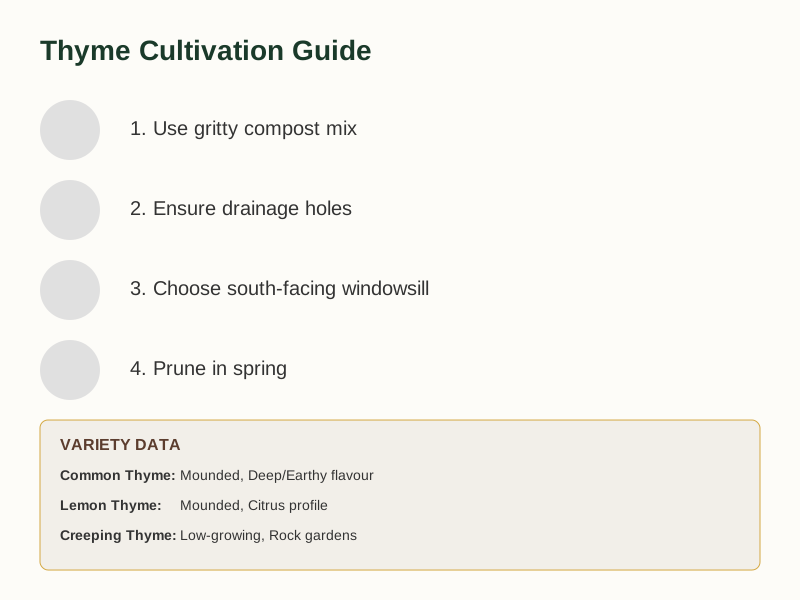
Incorporate coarse horticultural grit into your compost. A good starting point is three parts compost to one part grit by volume. For pots indoors, where air circulation is lower, a half-and-half mix provides even better insurance against waterlogging. Vitax Horticultural Potting Grit (paid link) (lime-free) is the bag to use — not building sand, not LECA clay pebbles sold as “grit”. The grit creates essential air pockets, prevents the soil from compacting, and lets excess water escape.
Buy Vitax Horticultural Potting Grit on Amazon → (paid link)
Use a pot with drainage holes – if it doesn’t, drill a few in the base. A porous terracotta pot is a smart choice over plastic, as it naturally draws moisture away from the root zone. The Green Thumbz 10 cm terracotta pack (paid link) is a windowsill-sized start; move up a size once the plant fills it.
See Green Thumbz 10 cm terracotta pack on Amazon → (paid link)
Selecting a Thyme for Cooking
Two main types are worth growing for regular kitchen use.
Common Thyme (Thymus vulgaris) is the reliable staple. It forms a mounded bush, reaching about 30cm, and its deep, earthy flavour suits almost any savoury dish. It’s the one to grow if you only have space for a single pot.
Lemon Thyme offers a distinct citrus note that lifts chicken, fish, and roasted vegetables. It shares the same practical, mounded growth habit as common thyme.
Creeping thyme (Thymus serpyllum) is best avoided for culinary use. It’s a low-growing ground cover, attractive in rockeries but fiddly to harvest and less flavourful.
All varieties demand the same gritty, well-drained conditions to survive.
Planting, Watering and Long-Term Care
The best time to plant thyme is during the warmer, brighter months, which helps it establish. Choose the sunniest windowsill you have; thyme needs maximum light. It can be grown indoors provided it gets several hours of direct sunlight daily. A south-facing window is ideal. An east or west-facing spot may suffice in summer but often lacks enough light in winter for the plant to thrive.
Water only when the top couple of centimetres of soil are completely dry. Then water thoroughly, allowing any excess to drain away completely. Indoors, watering frequency varies hugely with the seasons and your home’s warmth. In winter, with central heating on, the compost may stay moist for weeks. Let the pot’s weight be your guide – if it still feels heavy, don’t water.
Thyme prefers poorer soil, so fertilising is rarely needed. A light feed once a month during the main growing season is sufficient. Over time, the plant will naturally develop a woody base. This woodiness is a normal part of the plant’s maturation and isn’t a sign of ill health. To keep it productive, prune it back hard into the woody stems each spring to encourage fresh, tender growth and extend the plant’s useful life.
A Comparison of Culinary Thymes
| Variety | Growth Habit | Best For | Flavour Profile |
|---|---|---|---|
| Common Thyme | Mounded, up to 30cm | General cooking, bouquet garni | Deep, earthy |
| Lemon Thyme | Mounded | Chicken, fish, roasted veg | Citrus note |
| Creeping Thyme | Low-growing ground cover | Rock gardens, visual interest | Less flavourful |
The Payoff of Restraint
Adopting a lean, restrained approach does more than just keep your thyme alive – it concentrates the plant’s aromatic oils, leading to better flavour in your cooking. The discipline of using gritty compost and withholding water is the direct route to more potent harvests. Thyme develops its strongest flavour and most compact growth in full sun; with less light, growth becomes leggy and the flavour weakens.
This same ‘less is more’ principle applies to other Mediterranean herbs like rosemary and oregano. For a guide to applying this lean-growing method across your windowsill herb collection, see our hub on Growing Herbs Indoors in the UK.
If you’re often unsure what’s going wrong with your plants, our free houseplant troubleshooting checklist can help you diagnose issues quickly.
Further Reading
Note: This is general guidance. For specific advice, consult a qualified horticulturist.